Fall is the critical window for windshield repair because fluctuating temperatures and upcoming freezes cause minor chips to expand into unfixable cracks. Addressing these issues before winter prevents moisture from entering the glass and freezing; this proactive step maintains structural integrity and avoids the high cost of a full replacement.
That tiny chip in your windshield might look like a cosmetic nuisance, but as the Upper Darby air turns crisp, it becomes a structural liability. Temperature fluctuations during autumn create significant tension within automotive glass, turning a minor blemish into a sprawling crack overnight. At EchoShine, we understand that proactive maintenance is the hallmark of a well cared for vehicle. In this guide, we examine the physics of the freeze-thaw cycle and why professional intervention is essential before the first frost. You will learn how to apply the Dollar Bill Test to evaluate damage, the specific risks posed by fall debris, and the logistical advantages of filing an insurance claim now. Addressing these imperfections today ensures your safety and preserves your vehicle’s integrity throughout the harsh Pennsylvania winter.
The Race Against the First Frost: Why Your Windshield Chip is a Ticking Time Bomb
Residents in Upper Darby often enjoy the lingering warmth of September. It is easy to overlook a minor stone chip when the afternoon sun is still hitting 75 degrees; however, this period of calm is a deceptive window for vehicle maintenance. While the damage might look stable now, the transition into late fall creates a pressure cooker environment for automotive glass.
Windshields are engineered to handle a specific amount of stress, but glass is a dynamic material that expands and contracts with temperature changes. A chip functions as a structural fault line. In its pristine state, the glass distributes thermal stress evenly. Once that surface is breached, the tension concentrates at the point of the damage.
At EchoShine, we frequently see the consequences of delaying a windshield repair. Customers often report that a small summer chip, which seemed harmless for months, suddenly spanned the entire width of the glass after the first night the temperature dropped below 32 degrees. As Delaware County enters the freeze-thaw cycle, these minor imperfections become ticking time bombs. Utilizing professional mobile detailing to address these vulnerabilities before the first frost is the only way to preserve the factory seal of your glass and avoid a full, costly replacement during the height of winter.
The Science of Glass Stress: How Cold Weather Turns Chips into Cracks
Automotive glass is not a single, solid block; it is a sophisticated composite consisting of two layers of tempered glass bonded by a Polyvinyl Butyral (PVB) plastic interlayer. This laminated structure is designed for safety, but it reacts complexly to the cold. The physics of windshield damage involves two primary stressors: thermal expansion and hydrostatic pressure.
Thermal expansion and contraction occur because glass and plastic possess different thermal expansion coefficients. When temperatures drop in Upper Darby, the glass layers and the PVB interlayer contract at different rates and magnitudes. In a structurally sound windshield, this movement is uniform. However, a stone chip introduces a point of discontinuity. As the materials pull and push against each other during a cold snap, the tension concentrates at the edges of the chip, microscopic fissures begin to move, and the glass begins to separate from the plastic interlayer.
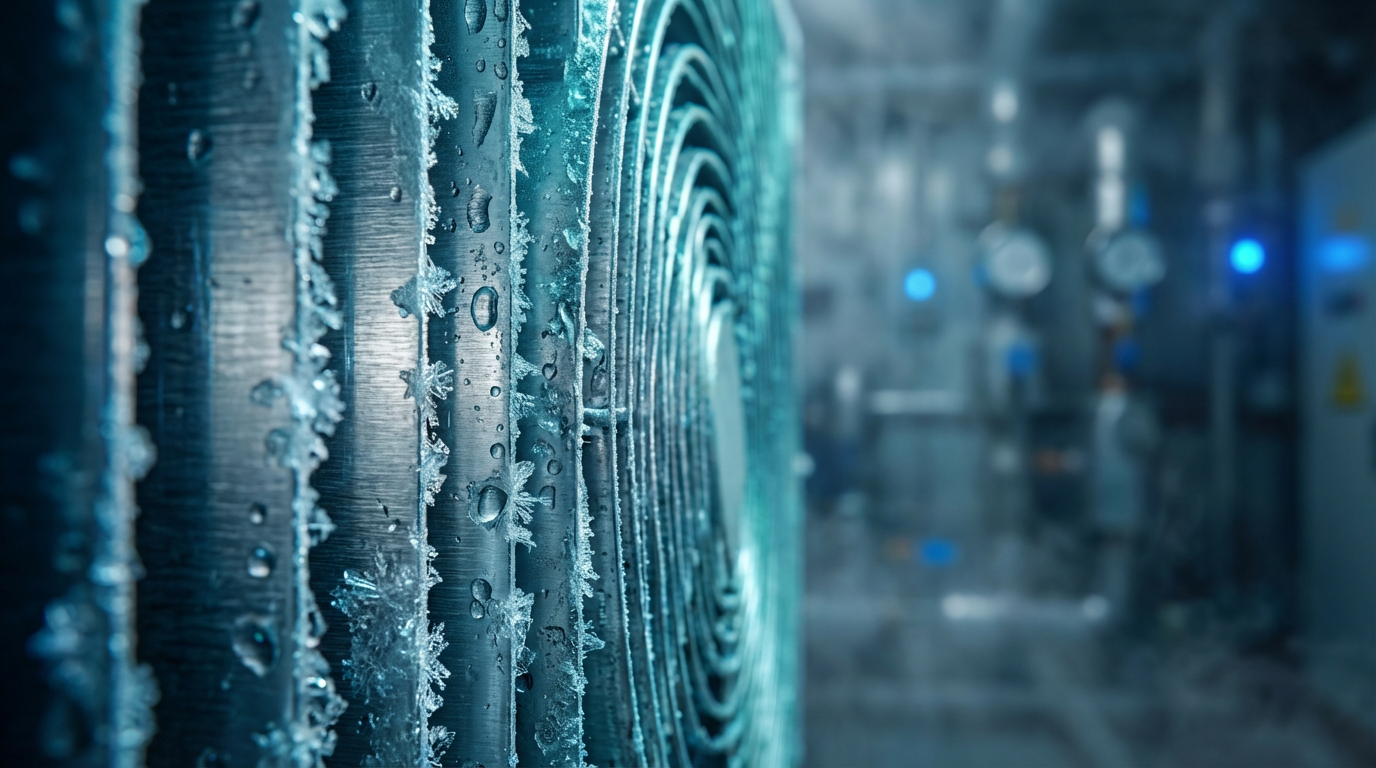
This structural instability is exacerbated by the hydrostatic pressure of ice. During the rainy autumn weeks in Pennsylvania, moisture from rain or morning dew seeps into the open chip. When the temperature hits the freezing mark, this trapped water undergoes a phase change and expands by approximately 9 percent in volume. This expansion acts as a literal hydraulic wedge, applying immense internal pressure that forces the glass layers apart.
Data often highlights a phenomenon known as early morning growth. This typically occurs while the car is warming up in the driveway. As a driver activates the defroster to clear frost, the sudden influx of heat causes the inner layer of glass to expand rapidly while the outer layer remains cold and constricted by ice. This thermal shock, combined with the 9 percent expansion of frozen moisture within the chip, is the exact moment most small chips fail and spider across the glass. Securing a windshield repair before these temperature swings become daily occurrences is the only way to neutralize these physical forces. Our detailing services in Havertown include assessing these risks to ensure your vehicle remains structurally sound throughout the winter.
Upper Darby Weather and the Windshield Freeze-Thaw Cycle
Upper Darby experiences a specific meteorological pattern in October and November that is brutal for automotive glass. The swing from a sunny 60 degree afternoon on West Chester Pike to a 30 degree night in Havertown creates a constant cycle of expansion and contraction. This is not just theory; it is a daily reality for commuters heading toward 69th Street. The high volume of traffic and frequent road maintenance in these corridors often result in small stones being kicked up, creating those initial bullseyes and star breaks that require immediate attention.
As Delaware County transitions into late autumn, these chips are highly vulnerable. Once local municipalities begin deploying salt and brining trucks, the chemicals and increased grit on the road only aggravate existing damage. Addressing these issues through windshield repair now is significantly more effective than waiting until the glass is subjected to the heavy vibrations of snowplows and sub-zero temperatures.
EchoShine technicians observe that most catastrophic failures occur during these specific 30 degree temperature fluctuations. Integrating a glass inspection into your mobile car detailing packages ensures that a minor inconvenience does not become a structural hazard during your morning commute. Taking action during the milder days of early November preserves the integrity of the glass before the harsh Pennsylvania winter truly sets in. Fixing the damage now prevents road salt from entering the chip, which can contaminate the area and make a clean, clear repair nearly impossible once the freeze-thaw cycle fully takes hold.
Windshield Repair vs. Replacement: The Dollar Bill Test and ROLAGS Standards

Determining whether a stone chip requires a targeted intervention or a total glass overhaul depends on specific industry metrics used to evaluate structural stability. The most practical diagnostic tool for Upper Darby drivers is the dollar bill test. If a crack is shorter than six inches, which is the length of a standard bill, or if a chip is smaller than a quarter, the damage is typically a candidate for a professional windshield repair.
These dimensions are not arbitrary; they align with the Repair of Laminated Auto Glass Standard, or ROLAGS. ROLAGS is the nationally recognized benchmark that defines the limits of safe glass restoration based on the type of break, such as a bulls-eye, star break, or cloverleaf. However, size is only one part of the equation. The location of the impact often dictates the final decision regarding safety:
The Critical View Area: If the damage is located directly in the driver's primary line of sight, a repair might leave a minor optical distortion or refractive blur. To maintain clear visibility, replacement is often necessary for impacts in this central zone.
Edge Damage: Impacts located within two inches of the windshield's perimeter are particularly volatile. Because the glass edges are under the highest amount of structural tension from the vehicle frame, these chips are prone to immediate spreading during temperature shifts.
If the damage falls within the repairable size limits and is away from the edges, opting for professional mobile detailing to handle the resin injection is the most efficient choice. This process preserves the original factory seal of your windshield, which is structurally superior to most aftermarket replacement seals. Integrating this assessment into your mobile car detailing packages allows you to address these vulnerabilities before they escalate into a full glass shop replacement.
Removing Windshield Wiper Scuff Marks and Fall Debris Scratches
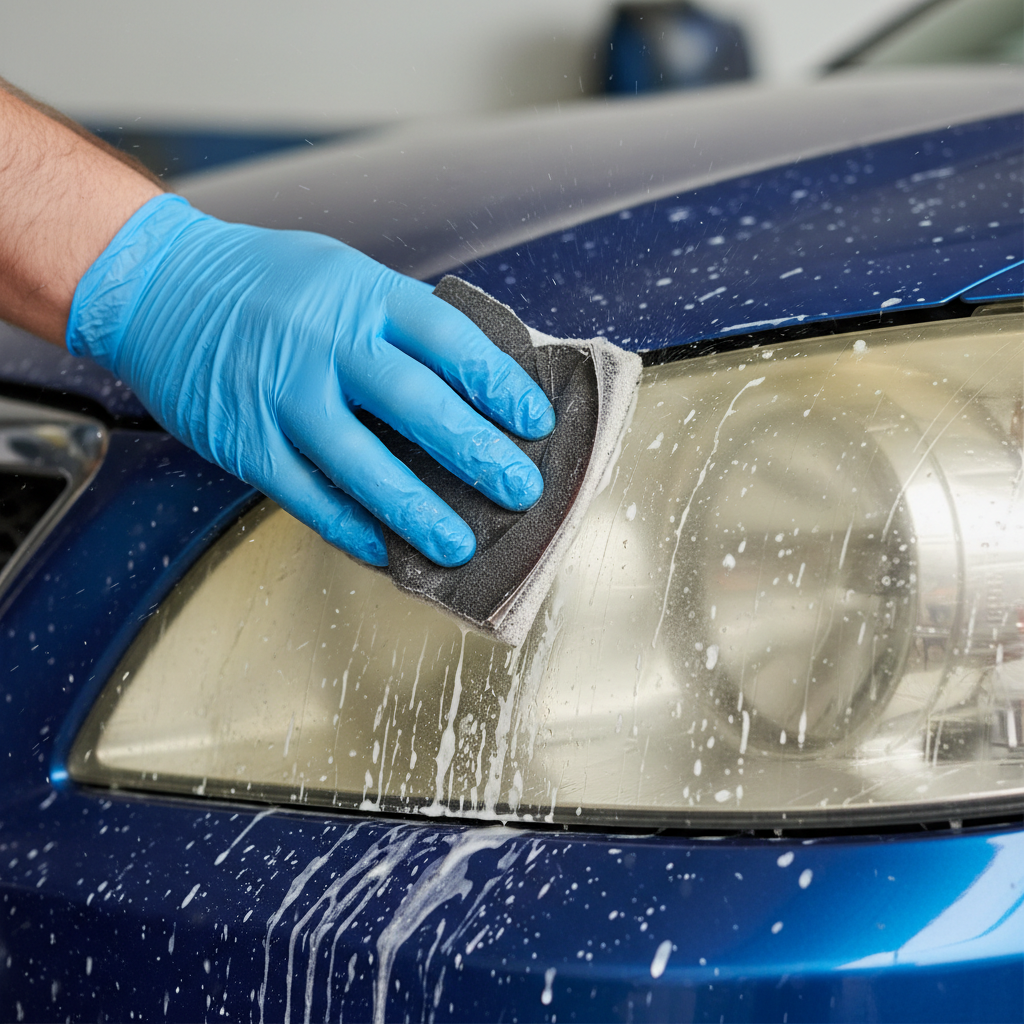
Beyond structural fractures, fall introduces a distinct visibility hazard: surface abrasions caused by windblown debris. As fallen leaves and twigs accumulate against the cowl, they frequently become trapped under the wiper blades. When these blades are activated during a heavy rainstorm in Havertown, the trapped organic matter acts as an abrasive, dragging across the glass to create fine arc-shaped scuff marks that distort light.
It is vital to distinguish between a surface scuff and a structural crack. A scuff is a superficial abrasion that does not breach the integrity of the glass. If you can catch your fingernail in the mark, it likely requires a traditional windshield repair or resin injection. However, light surface scratches can often be mitigated through professional glass polishing. This process involves the use of cerium oxide, a specialized polishing compound that reacts with the silica in the glass to level out the surface at a microscopic level.
To prevent these abrasions from worsening, we recommend using distilled water for your wiper fluid reservoir. Local tap water contains minerals that create a gritty residue as it evaporates, increasing friction between the rubber and the glass. Integrating a glass polishing treatment into your mobile car detailing packages removes these mineral deposits and restores optical clarity. Utilizing detailing services in Havertown to clear these scuffs ensures that your visibility remains uncompromised as the days grow shorter and the glare from evening commutes increases.
Is It Worth Filing an Insurance Claim for Windshield Repair?
Transitioning from cosmetic scuffs to structural integrity often leads to the question of cost. Filing an insurance claim for a minor stone chip is a practical move for most Pennsylvania drivers. Many insurance providers in the state cover windshield repair under comprehensive policies with a zero dollar deductible. Insurers understand the physics discussed earlier; they would much rather pay a small fee for a permanent resin repair now than foot the bill for a total glass replacement once the first freeze hits.
Advise checking your specific policy, but note that glass claims for chips typically do not impact your premiums like a collision claim would. Choosing a repair over a replacement is not just about the deductible; it is about maintaining the original factory seal. When a windshield is replaced, the urethane bond to the vehicle frame is broken. A factory seal is applied in a controlled environment and provides the highest level of structural support for the roof during a rollover. By using detailing services in Havertown to address the damage early, you utilize a cost effective solution that keeps that seal intact. Integrating these checks into your mobile car detailing packages ensures you leverage your insurance benefits before a small chip necessitates a full shop visit and a potentially higher deductible for new glass.
Preparing your vehicle for the winter starts with addressing the small details today. Fixing minor glass damage during the mild fall weather prevents the upcoming freeze from turning small chips into costly replacements. If you want expert help protecting your windshield before the first frost hits, we are ready to assist. You can explore our full range of Services to see how we help Upper Darby drivers stay safe on the road throughout the year.